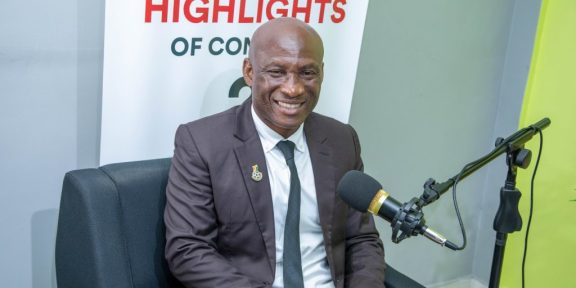


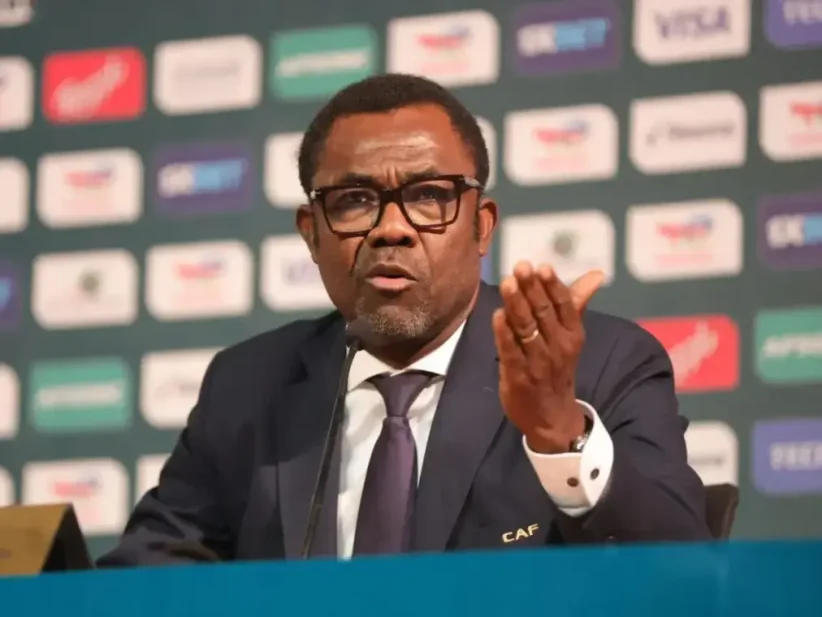
Former Confederation of African Football Secretary General Véron Mosengo-Omba has officially been elected as the new president of the Federation Congolaise de Football Association after recording a dominant victory at the General Assembly held in Kinshasa on Wednesday.
Mosengo-Omba ran unopposed and received 60 of 65 votes, demonstrating the strong support he enjoys in Congolese football.
Three delegates voted against him, and two ballots were invalid.
He will lead FECOFA for the next four years, and many hope his leadership will bring more professionalism, reform, and stability to football in the Democratic Republic of Congo.
The clear result showed strong belief in Mosengo-Omba’s leadership and experience. He previously held a top executive role at CAF, giving him broad experience across Africa and many international connections.
Many delegates saw his election as a key chance to restore credibility and build a stronger foundation for Congolese football, both locally and internationally.
The large margin of victory also demonstrated broad confidence in his long-term plans for FECOFA as the federation works toward stability and steady growth.
While many football administrators come from coaching or playing, Mosengo built his reputation in football governance and became a respected figure in African sports administration as CAF Secretary General.
His experience with continental football organizations is expected to help FECOFA become more efficient, better manage finances, and build stronger international ties.
Mosengo now leads a federation with high expectations from fans, clubs, and others who want to see Congolese football regain its place in Africa.
Although the Democratic Republic of Congo is known for its football talent, ongoing governance problems and a lack of long-term planning have often held back progress.
Even with a strong mandate from his election, there will still be pressure on him to improve national team results and better organize domestic football.
His appointment is not just a change in leadership. It is also a key moment for FECOFA as it seeks to rebuild momentum, strengthen its institutions, and restore the country’s football reputation on the African continent.