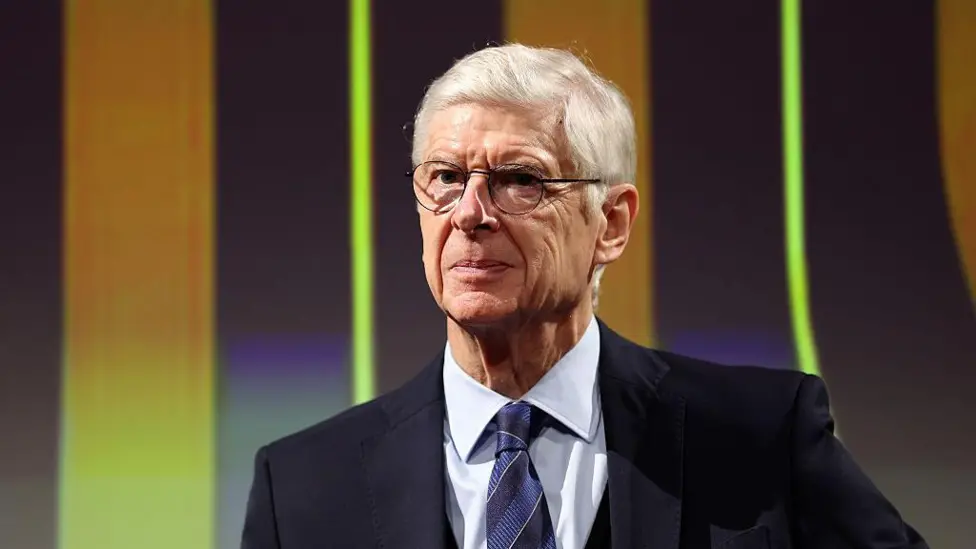
Arsène Wenger, FIFA’s Chief of Global Football Development, stated that FIFA will review the mandatory hydration breaks introduced at the 2026 World Cup, acknowledging that the measure has divided players and fans.
FIFA mandated three-minute cooling breaks in every World Cup match in the United States, Mexico, and Canada, regardless of weather, citing player welfare as the main reason.
The decision has faced criticism, with many questioning whether the breaks were also intended to create additional commercial opportunities for broadcasters.
Wenger acknowledged the breaks were not universally welcomed and confirmed FIFA will assess their impact after the tournament.
“Sometimes people didn’t like it, and we will analyze after the World Cup what the impact was,” Wenger said.
“It didn’t look to me that it changed the results, but we are here to serve people who watch football, and we will come to conclusions afterward.
“In many games, especially when the stadium was covered, people were not happy with it, but at the start of the competition, it was decided to do it for everybody.”
As the tournament progressed, supporters increasingly expressed frustration by booing the hydration breaks, which many believed disrupted the flow of matches.
The breaks also created additional advertising opportunities during broadcasts. According to BBC Sport, a 30-second commercial during World Cup coverage on Fox Sports in the United States was valued between $200,000 and $300,000, with prices reaching up to $750,000 for USA matches and later-stage games.
The breaks effectively gave coaches extra tactical timeouts, allowing strategic adjustments during each half.
UEFA has already ruled out introducing similar cooling breaks in its competitions, while England manager Thomas Tuchel criticized the policy earlier in the tournament, saying it “interrupts and changes the identity of a football match.”
Spain head coach Luis de la Fuente, however, backed the initiative, insisting player welfare should remain the priority.
“I am always interested in the health of my players. I think it’s the right measure — a pause, freshen up and continue,” he said.
Wenger also defended FIFA’s decision to expand the World Cup from 32 to 48 teams, describing the move as a success.
“It was questioned before it started, but we found it was ethically necessary to give more teams a chance. I am convinced it was the right decision, and it was a great success,” he said.
About The Author