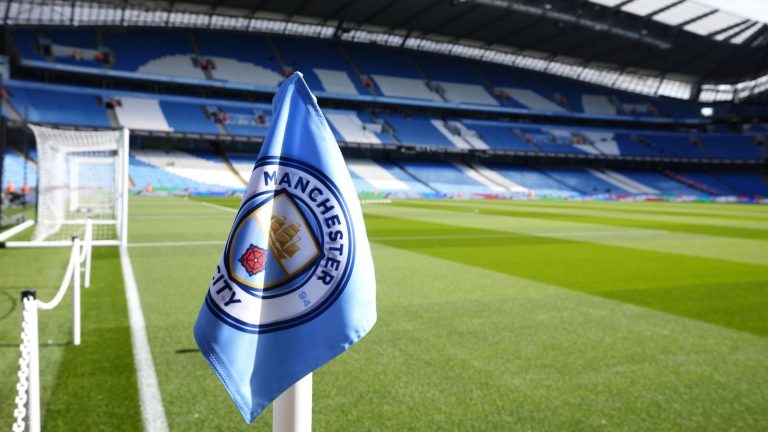
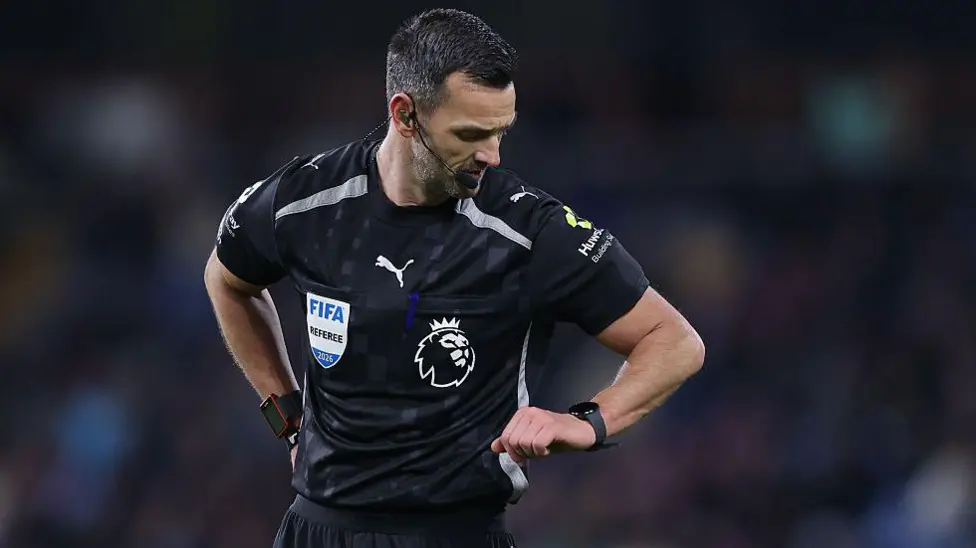
The 2026-27 football season will introduce a record number of rule changes, most of which are aimed at reducing time-wasting and increasing the pace of the game.
While these regulations were first implemented at the World Cup, they still created some confusion during the opening round of last weekend’s Carabao Cup.
The new laws will apply across all levels of English football, from the EFL season beginning this weekend and the Community Shield between Arsenal and Manchester City, to the Premier League and grassroots football. The only exception is VAR-related measures, which remain limited to competitions that use the technology.
The objective is to eliminate delays that often frustrate fans and ensure more football is played without significantly increasing stoppage time. Similar changes proved effective at the World Cup. In Qatar 2022, the ball was in play for an average of 58 minutes and 3 seconds, representing 56.86% of total match time. This summer, the average increased slightly to 58 minutes and 16 seconds, but with less added time, resulting in the ball being in play for 60.43% of matches.
Rather than focusing on strict punishments, the new rules are designed to influence player behaviour and discourage tactics that slow the game down. As a result, teams that have traditionally relied on time-wasting to protect leads may find the changes particularly challenging.
Here is a breakdown of the key rule changes and how they will be implemented.
About The Author